

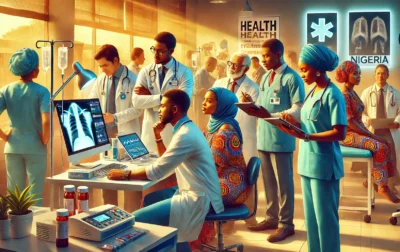
A career in healthcare is both rewarding and challenging, but to excel, you need more than just technical knowledge. In Nigeria, the healthcare industry is constantly evolving, and healthcare professionals must develop a versatile skill set to adapt, provide quality care, and build successful careers. With increasing demands on healthcare services, especially in underserved regions, mastering essential skills will give you an edge and help you thrive in the field.
Whether you’re pursuing a role in nursing, pharmacy, medical laboratory science, or community health, these are the 10 key skills that will set you apart and ensure your success.
1. Exceptional Communication Skills
Clear and effective communication is the cornerstone of healthcare practice. As a healthcare professional, you’ll interact with patients, families, and colleagues daily. Mastering the art of explaining medical information simply and listening attentively can prevent miscommunication that could lead to errors.
For example, being able to listen actively to a non-English-speaking patient’s symptoms and relay them to a specialist could save time and ensure prompt diagnosis. Whether it’s sharing instructions with a patient or working with a multidisciplinary team, good communication is vital for seamless care delivery.
2. Strong Critical Thinking Abilities
Healthcare professionals frequently face complex situations that require sound judgment under pressure. Critical thinking helps you analyze information, consider multiple treatment options, and make informed decisions.
For example, when diagnosing a patient with multiple symptoms, a critical thinker will carefully assess test results, medical history, and risk factors to develop an effective treatment plan. This ability ensures quick and accurate solutions even in emergencies.
3. Advanced Problem-Solving Skills
In healthcare, challenges arise daily, from sudden patient complications to technical issues with equipment. Problem-solving skills equip you to identify the root causes of these challenges, create actionable solutions, and execute them promptly.
If, for instance, a patient reacts adversely to medication, a healthcare worker must think quickly to adjust the treatment plan and mitigate the risk. This kind of practical problem-solving ensures patient safety and smooth operations.
4. Empathy and Compassion
Healthcare is not just about science—it’s about people. Empathy enables healthcare professionals to connect emotionally with patients, offering comfort and emotional support. Patients are more likely to respond positively to care when they feel heard, valued, and understood.
For example, when treating terminally ill patients, showing empathy can ease emotional stress and create a trusting relationship. This interpersonal skill is crucial for patient satisfaction and overall well-being.
Here, you might want to read the Critical Role of Community Health Workers in Expanding Healthcare Access to Underserved Areas.
5. Efficient Time Management
With multiple patients and tasks competing for your attention, time management is critical to stay organized. Healthcare professionals need to prioritize activities, manage their schedules efficiently, and avoid burnout.
Poor time management can lead to missed medication administration or delayed procedures, negatively impacting patient outcomes. Developing this skill ensures that you meet deadlines, improve productivity, and maintain high-quality care standards.
6. Keen Attention to Detail
Small mistakes can have life-threatening consequences in healthcare. Attention to detail ensures that procedures are followed correctly, medication dosages are accurate, and patient records are properly documented.
For instance, a pharmacist who verifies prescriptions accurately helps avoid dangerous drug interactions. Meticulous attention to detail helps prevent errors, improves patient safety, and boosts trust in your work.
7. Effective Teamwork and Collaboration
Healthcare is a team-oriented field, requiring professionals to work harmoniously across departments. Whether coordinating with doctors, nurses, or lab technicians, teamwork ensures that patients receive holistic care.
In surgical settings, for example, seamless teamwork between surgeons, anesthetists, and nurses reduces risks and ensures positive outcomes. Good collaboration leads to smoother workflows and higher patient satisfaction.
8. Technical Skills and Digital Competency
As healthcare becomes increasingly technology-driven, professionals must stay up-to-date with the latest technological tools. From electronic medical records (EMRs) to diagnostic equipment, proficiency in healthcare technology enhances efficiency and ensures better patient care.
Professionals with strong technical skills can operate medical devices confidently and manage digital records accurately, preventing delays and errors. Staying updated with technological advancements also makes you more marketable in the industry.
9. Emotional Resilience and Stress Management
Healthcare careers often come with long shifts, emotional challenges, and high-pressure environments. Emotional resilience helps professionals cope with stress and avoid burnout. Managing stress effectively allows you to stay focused and continue delivering high-quality care even in demanding situations.
For example, healthcare workers in emergency rooms must remain calm despite chaotic circumstances. Developing resilience helps maintain mental well-being and ensures sustainable performance over the long term.
10. Adaptability and Continuous Learning
The healthcare landscape is ever-changing, with new treatments, technologies, and protocols emerging regularly. Successful professionals must remain adaptable and committed to lifelong learning to stay ahead.
Whether it’s learning about new treatments or mastering advanced equipment, embracing continuous improvement makes you more effective in your role. Adaptability is also essential when dealing with unexpected challenges, such as pandemics or new healthcare regulations.
Conclusion: Invest in Your Healthcare Career in Nigeria
A healthcare career in Nigeria offers tremendous opportunities for those equipped with the right skills. From communication to critical thinking, empathy, and technical expertise, each skill contributes to delivering exceptional care and ensuring career success.
By developing these essential skills, you not only enhance patient outcomes but also improve your job satisfaction and long-term career prospects. Healthcare is a calling that demands continuous growth, and those who invest in learning and self-improvement will thrive.
Whether you’re a student or a working professional, take the time to develop these skills today and position yourself for a successful healthcare career in Nigeria. The demand for skilled professionals is growing—are you ready to make an impact?
