

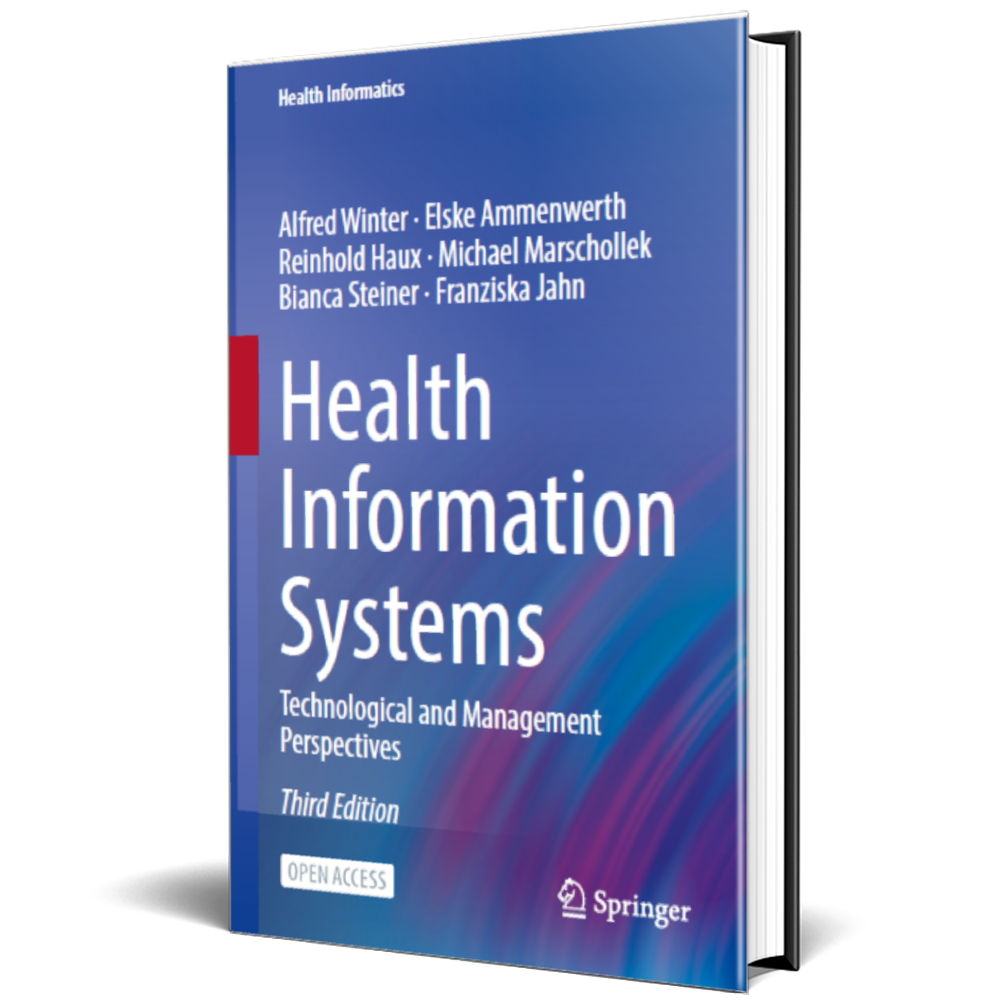
HIMS – IN TECHNOLOGY AND MANAGEMENT PERSPECTIVES
In an age defined by rapid technological advancement and data-driven decision-making, the healthcare sector is undergoing a significant transformation through the integration of digital systems. At the forefront of this evolution is the Health Information and Management System (HIMS)—a strategic fusion of information technology and health management principles aimed at optimizing the efficiency, quality, and accountability of healthcare delivery.
From a technological perspective, HIMS represents a robust infrastructure that digitizes and automates a wide array of hospital functions, including patient record management, appointment scheduling, diagnostics, billing, and reporting. Leveraging innovations such as cloud computing, artificial intelligence, electronic medical records (EMR), and health data analytics, HIMS enhances real-time access to patient information, facilitates evidence-based care, and strengthens data security. These systems not only reduce errors and redundancy but also improve operational speed and accuracy across healthcare facilities.
From a management standpoint, HIMS introduces a paradigm shift in how healthcare institutions plan, monitor, and evaluate their services. It empowers hospital administrators and health managers with actionable insights, enabling more strategic resource allocation, human resource planning, and policy enforcement. The structured flow of data enhances internal coordination among departments while also promoting transparency, compliance with healthcare regulations, and continuous quality improvement.
Together, technology and management perspectives underscore HIMS as more than a digital tool—it is a transformational framework for building responsive, efficient, and patient-centered health systems. As healthcare institutions embrace smart infrastructure and digital transformation, the role of HIMS becomes increasingly critical in achieving sustainable healthcare goals.


Reviews
There are no reviews yet.