

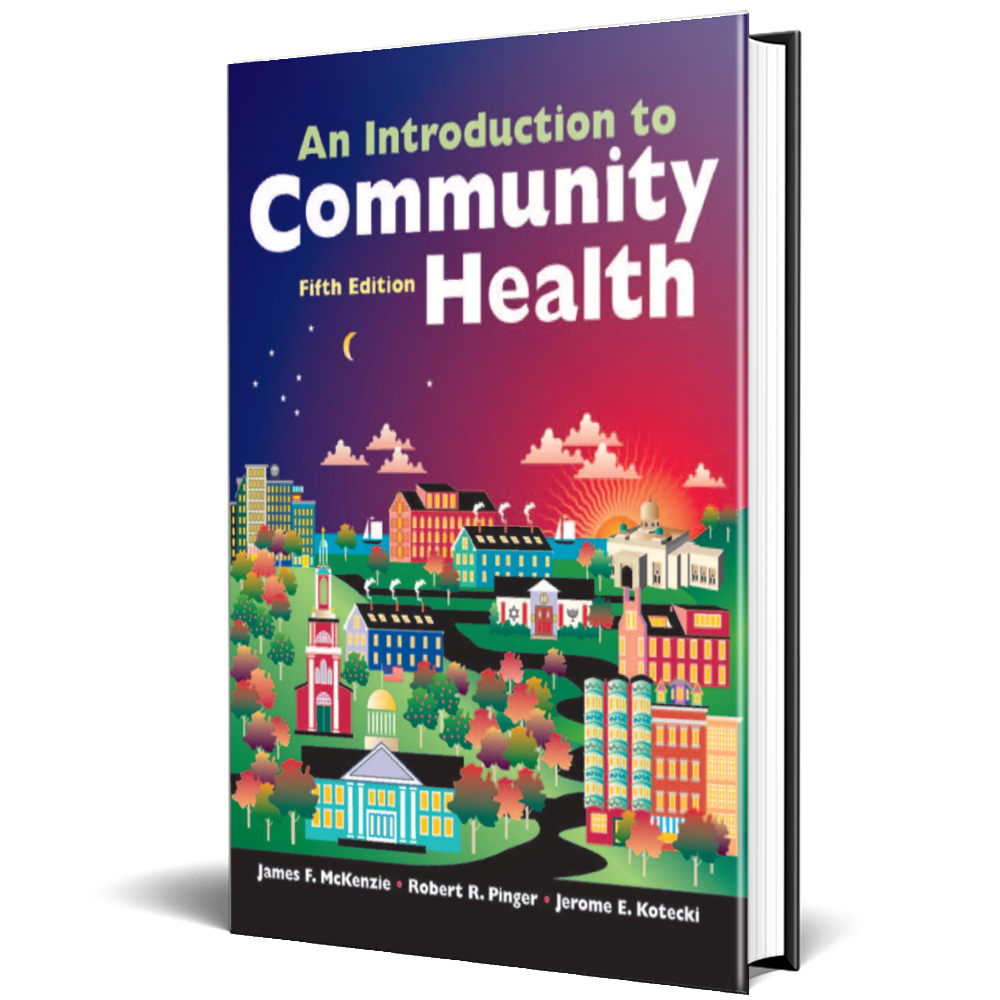
Description
In reflecting on the twentieth century, it is easy to point to the tremendous progress that was made in the health and life expectancy of many people of the world. Infant mortality dropped, many of the infectious diseases have been brought under control, and better family planning became available. However, there is still room for improvement! Individual health behaviors, such as the use of tobacco, poor diet, and physical inactivity, have given rise to an unacceptable number of cases of illness and death from noninfectious diseases such as cancer and heart disease. New and emerging infectious diseases, such as severe acute respiratory syndrome (SARS) and those caused by drug-resistant pathogens, are stretching resources available to control them. And the events stemming from the attacks on the World Trade Center in NewYork, the Pentagon in Washington, DC, and the failed terrorist attack on a third site that ended with the crash of the airliner in western Pennsylvania on September 11, 2001 (now commonly referred to as 9/11) and the subsequent anthrax mailings have caused us to refocus our priorities. Even with all that has happened in recent years in the United States and around the world, the achievement of good health remains a worldwide goal of the twenty-first century. Governments, private organizations, and individuals throughout the world are working to improve health. Although individual actions to improve one’s own personal health certainly contribute to the overall health of the community, organized community actions are often necessary when health problems exceed the resources of any one individual.When such actions are not taken, the health of the entire community is at risk.


Reviews
There are no reviews yet.